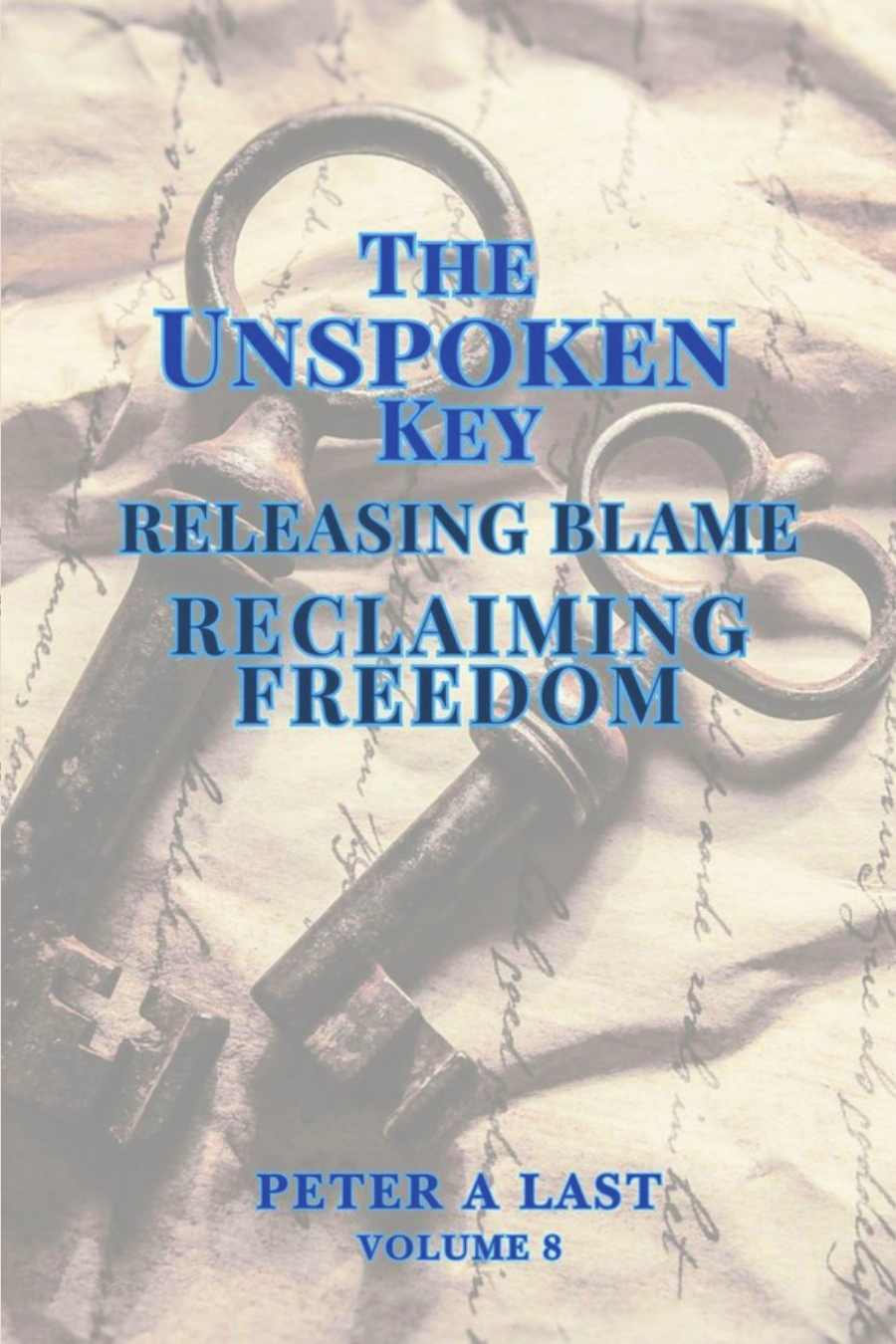
Releasing Blame, Reclaiming Freedom V8
by Peter A Last
Volume 8 In the Common Sense Factor Wisdom Chronicles
We often carry what we never chose. Buried pain. Silent shame. Lingering questions from childhood that still echo into our adult lives. In The Unspoken Key, Peter invites you on a deeply personal, yet universal journey. To break free from the weight of childhood blame and step into a life shaped by healing, resilience, and personal truth.
Written in memory of his younger brother and inspired by real-life stories of trauma, addiction, and survival, this book doesn’t sugarcoat pain. It exposes the quiet wounds many carry—and offers a clear, compassionate path forward.
Peter speaks directly to those who have felt misunderstood, emotionally stuck, or burdened by blame—be it self-inflicted or passed down through generations. Decades of experience across various fields helped him expose unspoken rules hindering authentic living.
Inside this book, you’ll discover:
✅ How childhood trauma quietly shapes your decisions, self-worth, and relationships
✅ Why blame feels satisfying—but ultimately keeps you stuck
✅ Tools to shift from blame to empowerment, with practical strategies rooted in self-awareness
✅ The ripple effects of unprocessed pain, including how it influences substance abuse and family dynamics
✅ The role of love not just as a word, but as an action—a guidepost for healing, even in silence
✅ Powerful questions that invite clarity, accountability, and emotional release
The Unspoken Key is not about perfection—it’s about progress. It offers a safe space to feel seen, and a gentle push to break free from the cycles of blame, shame, and silence. This is a teaching memoir for anyone ready to heal generational wounds and live beyond the stories they were told—or the ones they still tell themselves.
Facing your past or seeking self-improvement? This book helps you find a better path.
Freedom doesn’t begin with forgetting the past. It begins when you stop letting it define your future.
Let this volume be your first step toward reclaiming that freedom.
A Note From The Author:
Everything shared in this series comes from my life—experiences-and observations—the lessons carved through challenges, breakthroughs, and quiet reflection. My intention is simple: to inspire you to see things from a new perspective and to offer insights that may support you on your journey. What’s written here may resonate deeply, or it may not—and that’s okay. Choose what resonates; discard the rest. After all, your path is uniquely yours, and true wisdom lies in discovering what works best for you.
Introduction: Breaking the Chains of Childhood Blame
Childhood trauma hits hard. It shapes how we see the world and ourselves. Adult life often holds lingering echoes of childhood. They construct a narrative steeped in blame, encompassing events past, present, and hypothetical. Yet, this weight doesn’t have to crush us. Instead, it can dim our chance to heal, grow, and find strength.
I’ve walked this path and witnessed the destructive ripple effects of blame within families and societies. I felt compelled to write this manuscript. It’s not just a guide—it’s a call to action. A call to reframe the challenges of childhood trauma, not as life sentences, but as stepping stones to resilience, strength, and self-empowerment.
I’ve seen firsthand how unprocessed pain can lead to destructive cycles. Many of my friends, including my younger brother, escaped into substance abuse, numbing wounds they never learned to heal. I watched them struggle, trapped in patterns they didn’t create but couldn’t seem to break. Their battles made one thing clear—without confronting the roots of our pain, we remain prisoners to it.
Through these pages, I hope to help you see that while the past may have shaped you; it does not have to define you. The path to freedom begins with breaking the cycle—choosing healing over blame, self-awareness over self-destruction, and reclaiming the power that experiences had stolen from you.
The Weight of Blame
Blame is a seductive force. It offers an outlet for the pain, anger, and frustration that stems from unhealed wounds. But blame also comes at a cost. It ties us to the very people or situations that caused harm, keeping us in an endless cycle of reliving the hurt. Instead of freeing us, blame binds us—focusing our energy outward, away from the inner work needed to truly heal and expand.
For many of us, assigning blame becomes a reflex. We blame our parents for their shortcomings, our caregivers for their neglect, or the circumstances of our childhood for the struggles we face as adults. Even in present moment societal affairs, we point at others for our present moments. These pointing victimhood mentalities rob us of seeing the true power we hold within the world, leaving us in a distracted state. While these feelings are valid, they can become barriers to growth if left unchecked. When we fixate on blame, we surrender our power to those we feel or think they have wronged us, inadvertently allowing the past to dictate our future.
How Childhood Shapes Adulthood.
Our experiences shape who we become in big ways. For instance, childhood is a time full of learning, growth, and openness. We learn positive and negative things in our formative years. As a result, these habits affect our relationships, decisions, and how we value ourselves.
However, here’s the good news: those habits aren’t permanent. Although childhood might leave scars, it also offers clues for growth. By shifting from blame to self-awareness, we can spot these patterns and, even better, change them. So, This Unspoken Key unlocks those chains—it turns old pain into stories of strength and power.
Shift the Focus: From Blame to Empowerment
Now, this shift doesn’t dismiss your past pain or brush off the challenges you’ve faced. Instead, it offers a fresh view—one that’s healthier and more freeing. For example, through self-awareness, resilience, and healing, you can own your life without carrying blame for what wasn’t your fault.
Personal responsibility doesn’t mean excusing harm or ignoring past pain. Instead, it’s about taking back your power. For example, you can see how old experiences shaped you, yet decide they won’t steer your future. Sure, moving from blame to strength feels tough at first, but trust me, it pays off. Ultimately, this shift builds a solid base for real freedom and steady growth.
Your Journey Ahead
These pages guide you to break free from the blame game and step into a resilient, empowered life. First, we’ll dive into how blame weighs on your emotions. Next, we’ll look at how childhood shapes us. Then we’ll share simple strategies to heal and grow self-aware. You’ll discover how to spot self-defeating thoughts, kick them aside, take charge of your choices, and build a strong, authentic life.
Healing is not a linear journey, and there is no quick fix. But with each step, you’ll move closer to freedom—freedom from the shackles of the past and the self-imposed limits that blame creates. This book is not about perfection; it’s about progress. It involves self-commitment, bravely confronting hardship, and using it to gain strength.
Let’s begin this journey together. The path won’t always be easy, but it will be worth it. By addressing the chains of childhood blame, you’ll unlock the power within to create a life of meaning, resilience, and empowerment.
A Note From The Author:
Everything shared in this series comes from my life—experiences-and observations—the lessons carved through challenges, breakthroughs, and quiet reflection. My intention is simple: to inspire you to see things from a new perspective and to offer insights that may support you on your journey. What’s written here may resonate deeply, or it may not—and that’s okay. Choose what resonates; discard the rest. After all, your path is uniquely yours, and true wisdom lies in discovering what works best for you.
Our Ornamental Breaks Symbolize
“In the dance of light and dark, both wisdom and strength are born. The black-and-white Buddhas represent the Yin and Yang within each of us—duality in perfect harmony. True balance comes from embracing both. Courage and fear, equally honored, pave the path to wholeness.”
Let’s begin.
What's Inside:
Dedication
Foreword
Introduction
1. Understanding the Roots of Trauma - The Seeds of our Pain
2. The Blame Trap
3. Shift Perspectives
4. Taking Responsibility for Your Healing
5. Building Resilience from Adversity
6. Forgiveness and Letting Go - Finding Freedom
7. Embracing a Resilient Future
8. Conclusion: Breaking the Chains - Embracing Freedom
About The CSF Creator

Common Sense Factor is an education-first publishing initiative offering clear, practical guides that help people slow down, understand what matters, and make confident decisions in everyday life.
Peter Last is the founder of Common Sense Factor Book Publishing and the author behind the Common Sense Factor collection, including the Wisdom Chronicles and What To Do First guides. An author, health coach, and hypnotherapist, Peter’s work is rooted in lived experience rather than theory. His journey began through personal struggle, where he discovered that the most meaningful lessons often emerge not from perfection, but from the quiet, imperfect moments we tend to overlook. Peter believes that being human means being unfinished—and that growth comes from awareness, not self-judgment. Inspired by the Japanese art of kintsugi, where broken pottery is repaired with gold, his work encourages readers to see challenges as places where strength, clarity, and understanding can form. Rather than hiding flaws, Common Sense Factor invites people to learn from them. Across all of his books—whether focused on personal insight or practical responsibilities like home maintenance—Peter’s mission remains the same: to make wisdom easy to understand, easy to apply, and grounded in common sense. These books are not about having all the answers; they are tools to help readers ask better questions, build confidence, and respond to life with steadiness and clarity. Peter’s guiding philosophy is simple: you don’t need to be perfect to move forward—you just need to start. As he often says, “Take what resonates and leave the rest. Real wisdom begins when you discover what fits your path.”
Parenting & Self-Discovery Becoming Your Best Through Your Children V6
by Peter Last
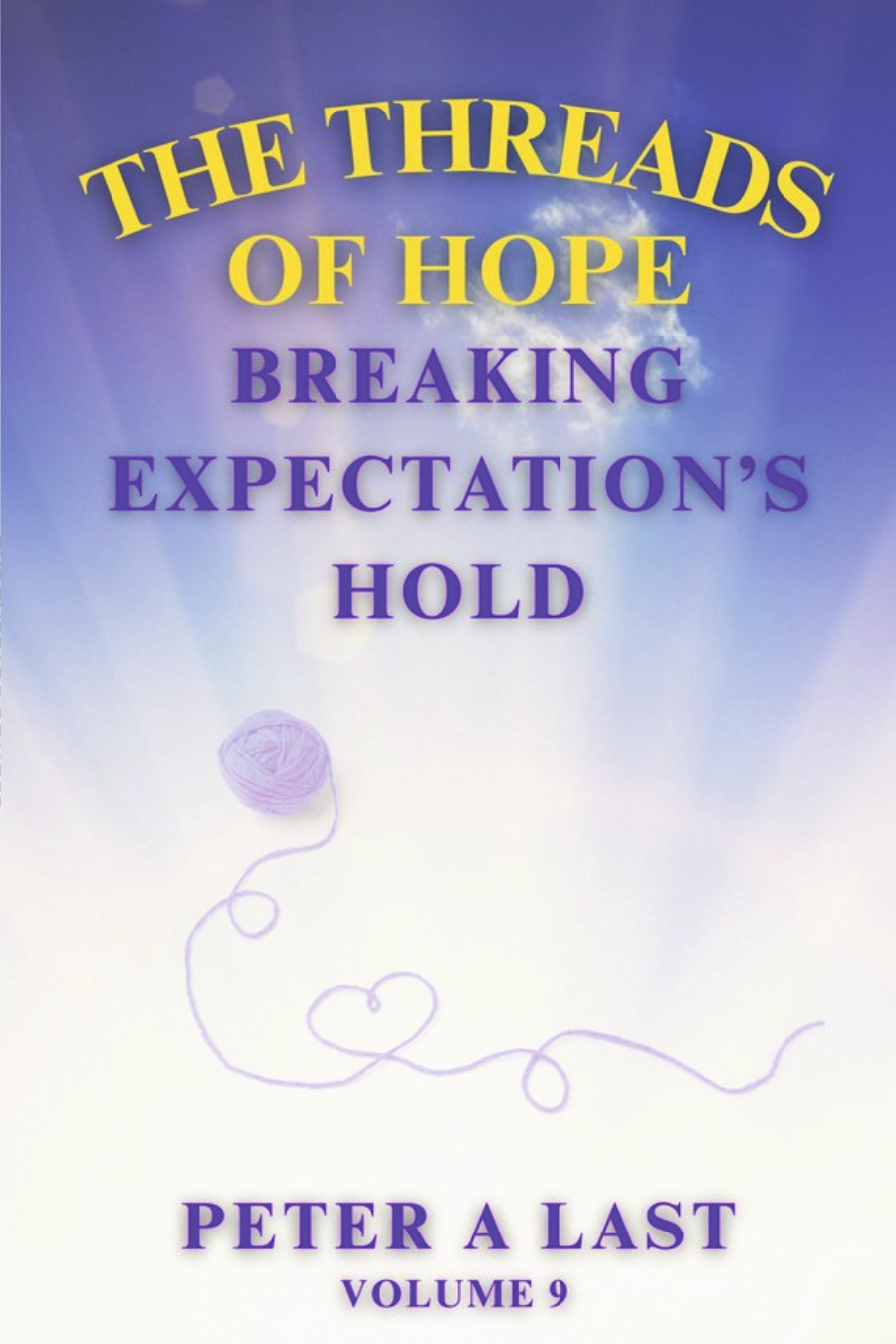
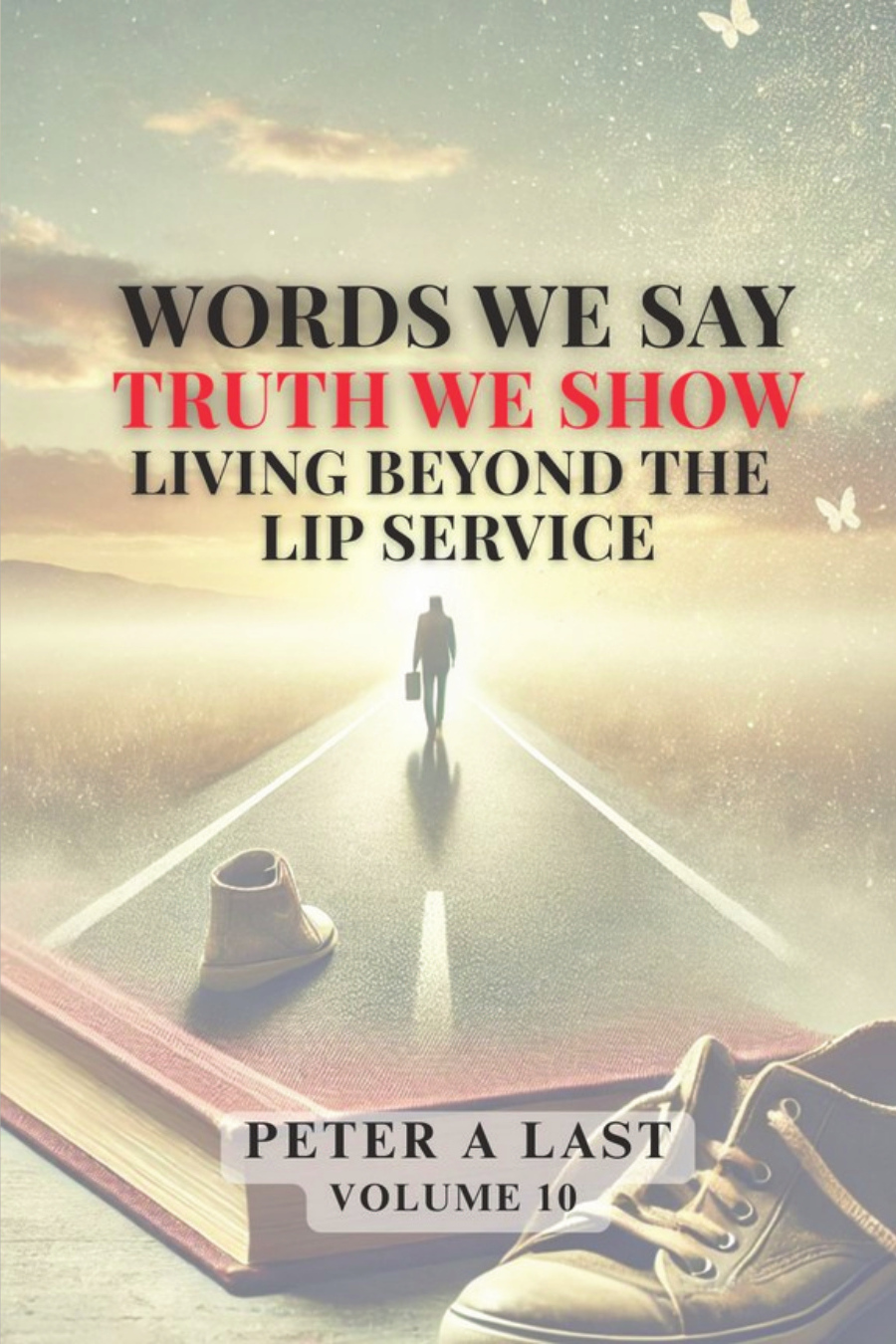
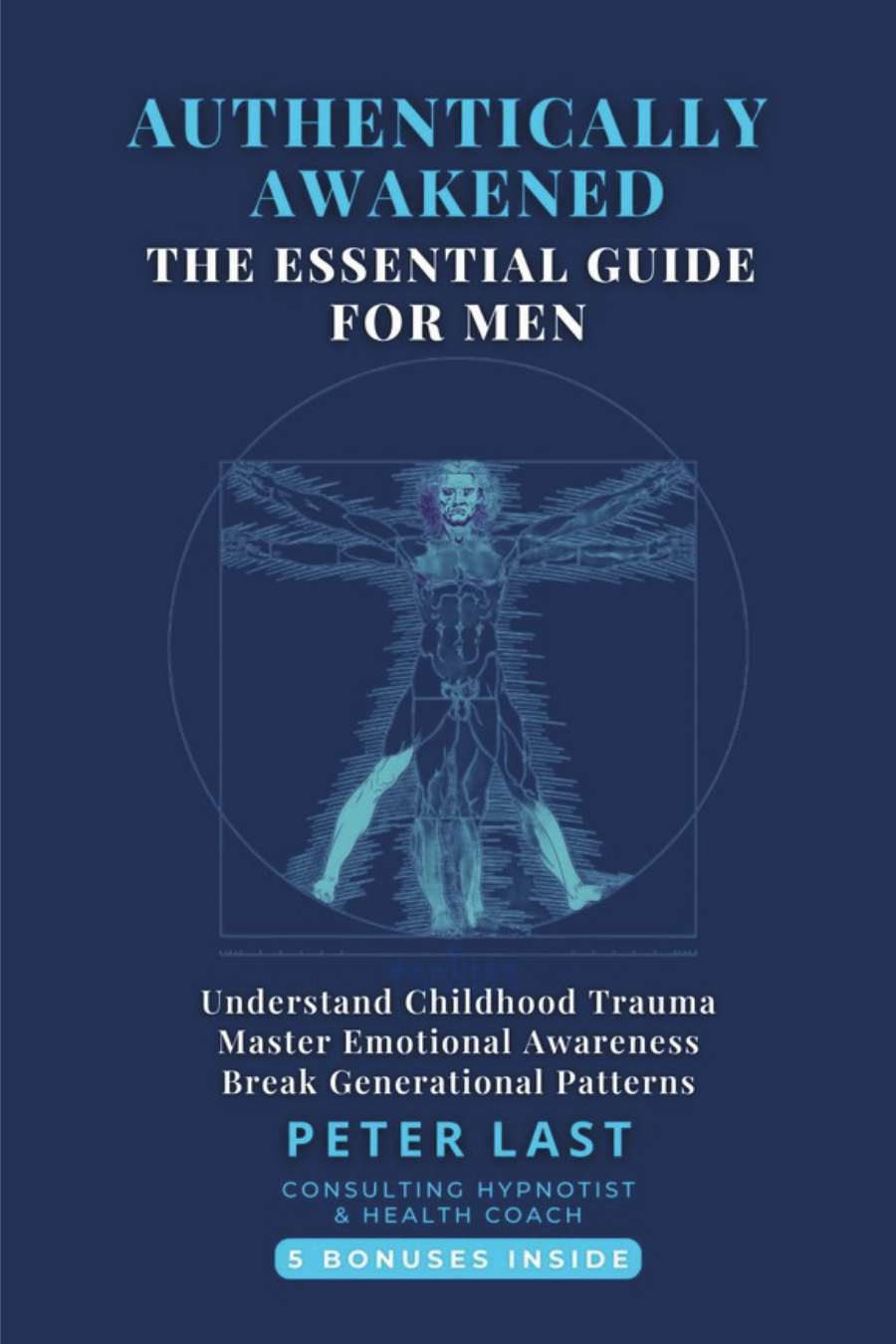
Understand Childhood Trauma, Master Emotional Awareness, Break Generational Patterns
by Peter Last
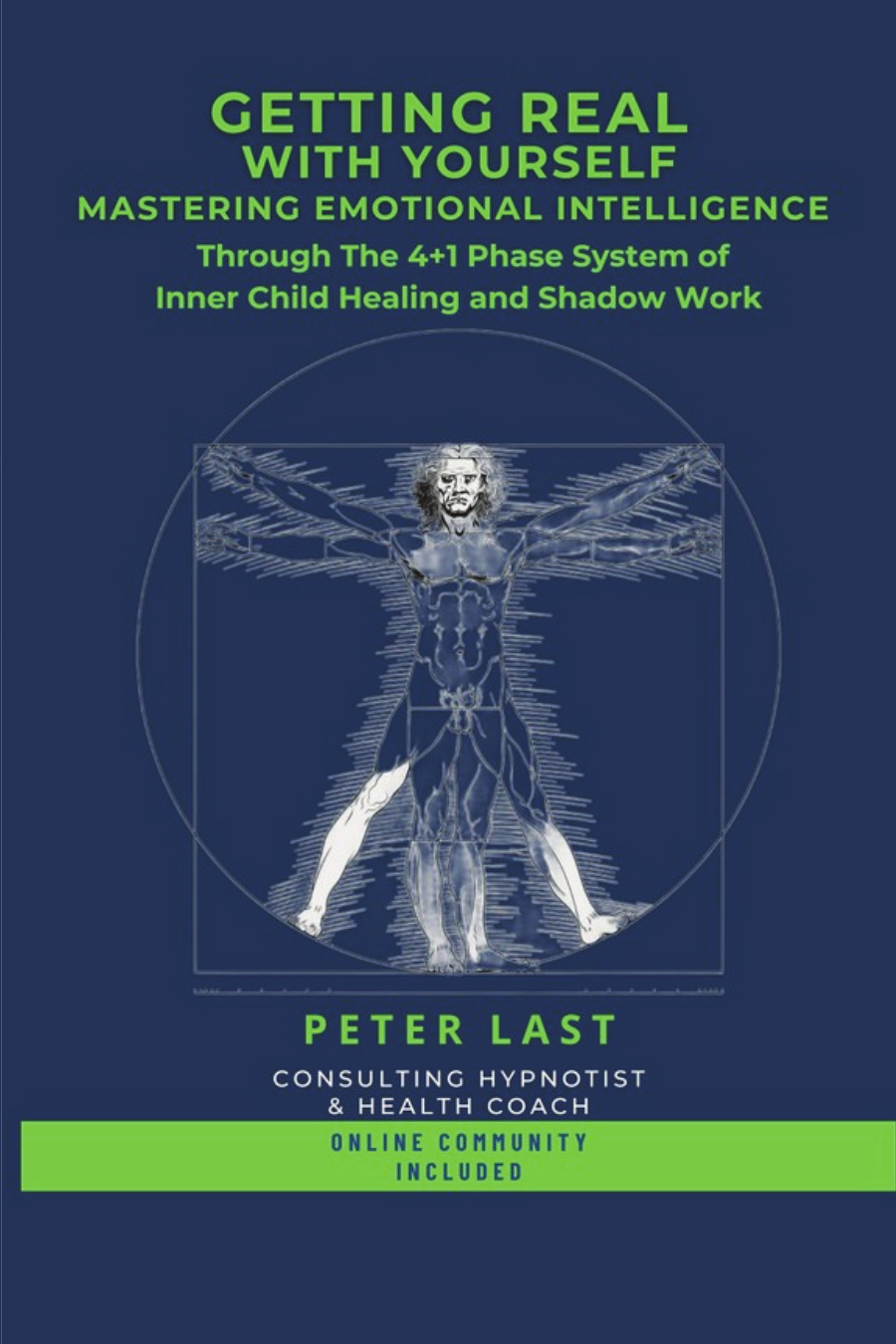
Mastering Emotional Intelligence through the 4+1 Phase System of Inner Child Healing and Shadow Work
by Peter Last

Common Sense Factor: Home Maintenance – What To Do First is a practical decision guide designed to help homeowners understand their homes before problems arise. Rather than telling you how to fix everything, this guide focuses on awareness—what to look for, what matters most, and how to make informed decisions without panic or pressure.
By helping you slow down, observe, and prioritize, What To Do First empowers you to prevent small issues from becoming costly ones, saving time, money, and unnecessary stress. It’s not a technical manual or a sales pitch—it’s a common-sense approach to maintaining your home with clarity and confidence.